North Dakota Projects
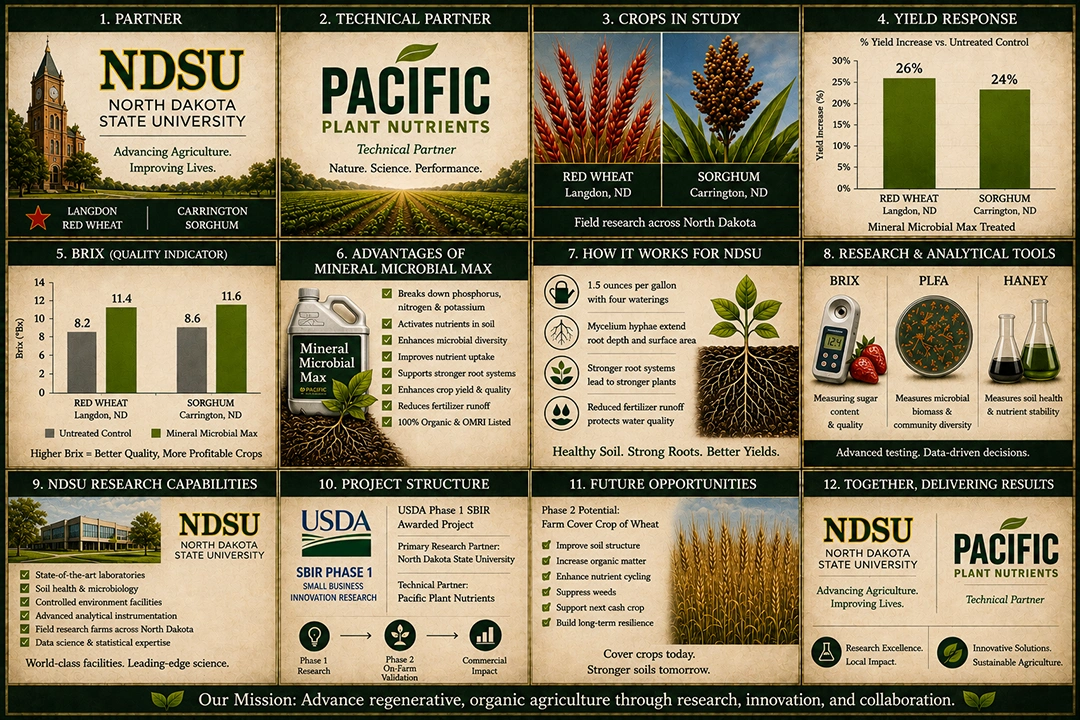
NDSU @ Langdon, Field Trial: Wheat
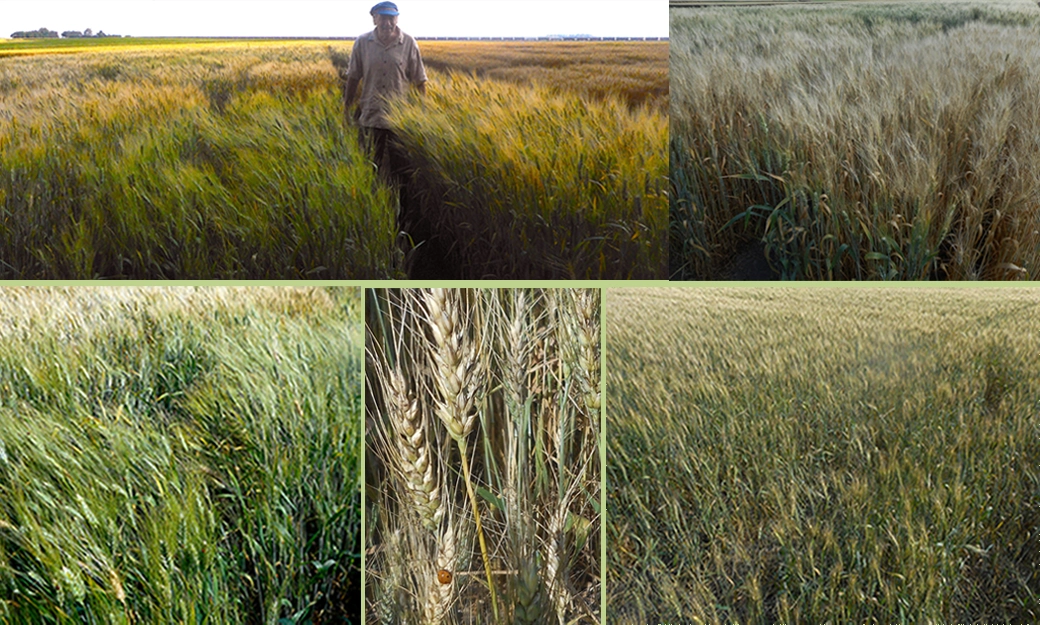
A field test trial featuring PRESTORATIVE™ is in process at Langdon, North Dakota on plots of conventional red Spring wheat. PRESTORATIVE™ Mineral Microbial Max AG was applied with a foliar spray to the test plot at a ratio of 1.5 oz per gallon of water. Photos show the trial plot fields; non-trial wheat crops that were not fertilized with PRESTORATIVE™ can be seen in the background in some of the photos. Ladybugs and other biological markers (color, water retention etc.) were noted which were very encouraging.
Three Grain Grasses
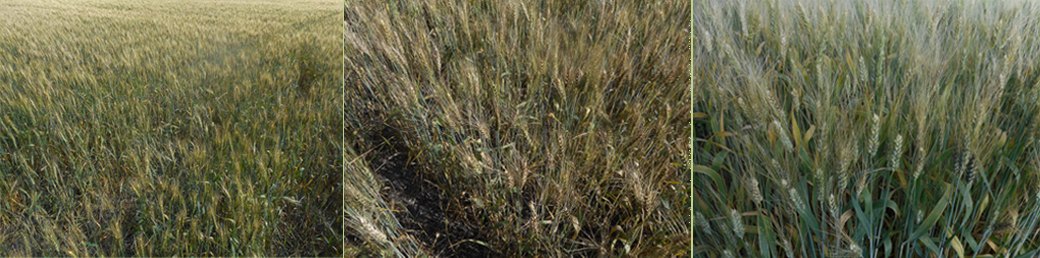
Rye, Wheat, and Barley grasses all belong to the grass family of plants, scientifically known as the Poaceae family. These grasses have many uses; they can be consumed by humans and livestock, and are also used as cover crops.
Rye produces edible grain and is a major food crop in Northern and Eastern Europe as well as Russia. It can flourish in poor soil and in severe winter climates. Rye is a fast growing plant that can reach a height of 10 feet. It is good to use as a cover crop; it creates huge amounts of biomass which provides many nutrients for crops to absorb. Rye also helps prevent soil erosion and suppresses weeds.
Wheat is one of the most important cereal grain crops and was first grown about 10,000 years ago. It is grown on more land globally than any other grain crop. Varieties of wheat include Spelt, Durum, Emmer, Einkorn, Khorasan, and Kamutis. Wheat is 13% protein and contains fiber and minerals. It provides fiber and energy to livestock when used as feed. It can be made into a hay bale as an alternative to straw. Its roots can grow up to 6 feet deep. It is 99% self-pollinated. See our Wheat Field Trial above.
Barley is a cereal plant and is the fourth largest grain crop grown globally. It was domesticated around 8,000 B.C. and was one of the first cultivated grains of the Fertile Crescent. It prefers soil that drains well but can handle drought and high soil salinity. Barley is used in soups, stews, breads, and health products, and is a source of malt for alcoholic beverages, primarily beer. It is also used for animal fodder.
Additional Langdon Photos
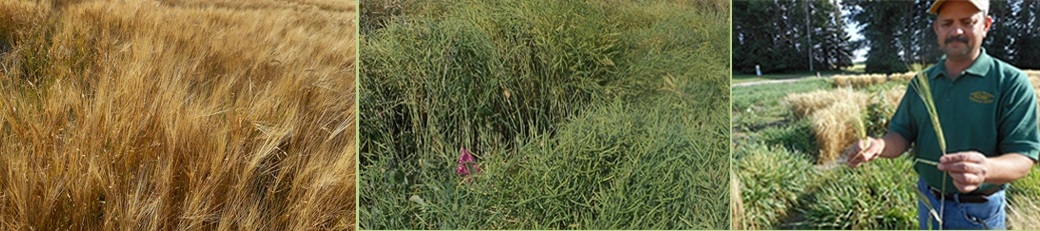
Left photo is wheat plants that were grown without receiving PRESTORATIVE™. See the difference. The second photo is of a Canola plant that was burned from the sun but recovered after being treated with PRESTORATIVE™. The area that was burned has new growth over it. The last photo is Venkat, Director of the Langdon Research Center at NDSU. He is showing and discussing the differences between two types of barley in this photo.
Wheat Field Trial Results 2026
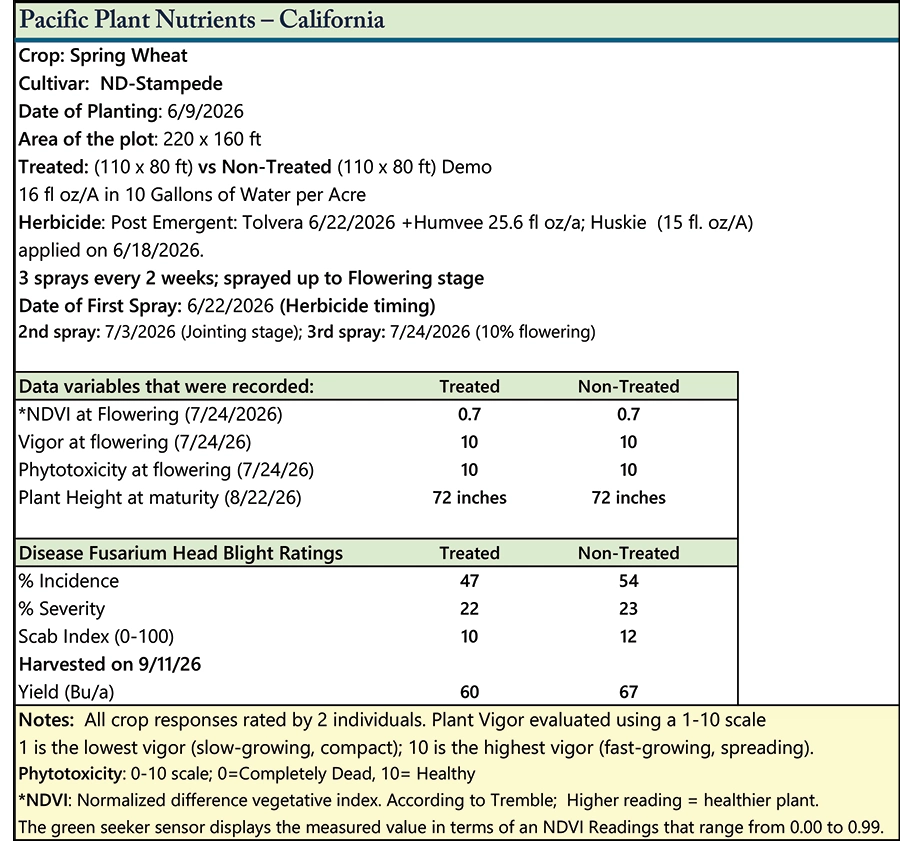
The trial plot was on a higher elevation in drought with less ground (no reserve) moisture. No rain fell during the trial.
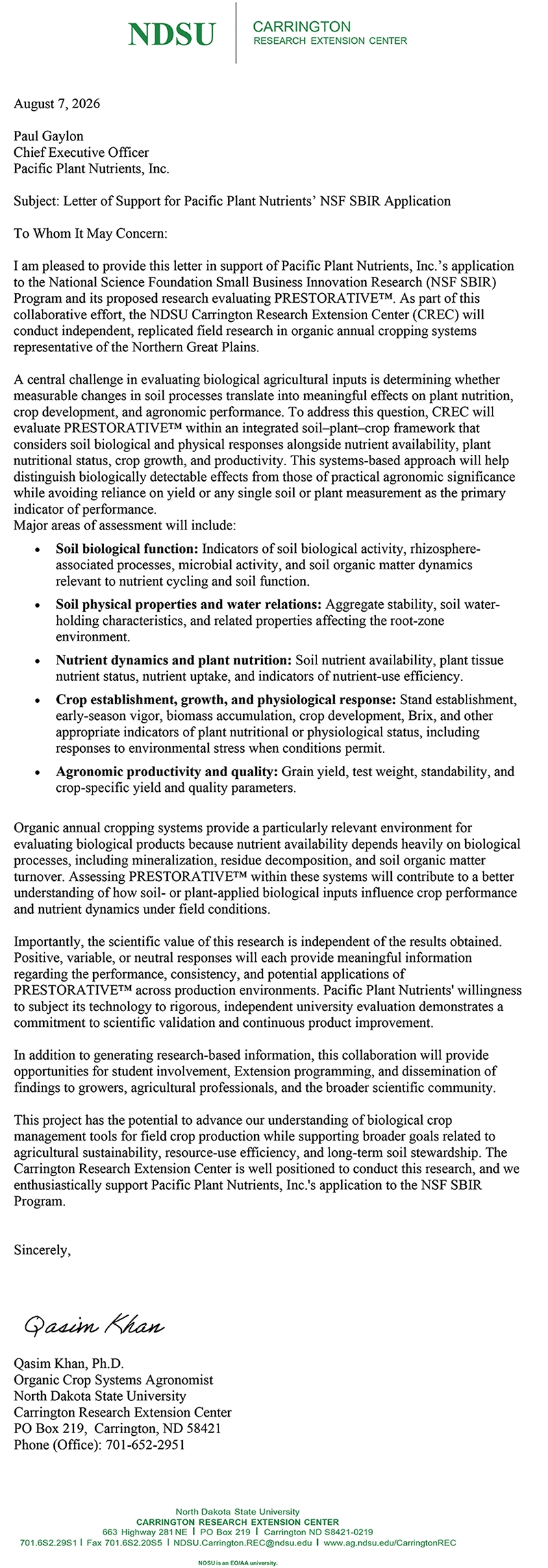
There was a vast improvement on the Fusarium Head Blight ratings including a 13% incidence improvement, a 5% improvement in severity, and a 17% improvement in scab index. Overall, there was less stress and diseases on the plants. A lesser effect was seen on the 14 spike heads used in the trial. There was no yellowing of leaves. The Michigan Review measures the index by how widespread a disease is (incidence) and how severe the symptoms are (severity).
Three minimal sprays of PRESTORATIVE™ were applied to the entire trial field. The conditions were, in this case, for conventional wheat without proper crop covering, mulching, etc. 16 ounces per 10 gallons was foliar sprayed which equals 48 total ounces of PRESTORATIVE™ solution to overcome the challenges faced by conventional growing methods.
All wheat showed healthy parameters including high growth. Wheat reached a height of 6 feet.
NDVI—Drought conditions. 0.7 is a very good number under the most adverse conditions. PRESTORATIVE™ was not applied for nearly a month before the flowering stage. PRESTORATIVE™ was able to gain adequate biological markers even under adverse conditions.
Paul’s observations: ‘I observed that that the conventional wheat that was not given PRESTORATIVE™ had a little more of a rust color to it and they appeared to be slightly more brittle. There were also more gaps in the field; the wheat did not fill out as much in the control plot as they did in the trial plot which was fed PRESTORATIVE™. There was also less continuity in the conventional field that was not fertilized with PRESTORATIVE™’.
NDSU @ Carrington, Field Trial: Sorghum Bicolor
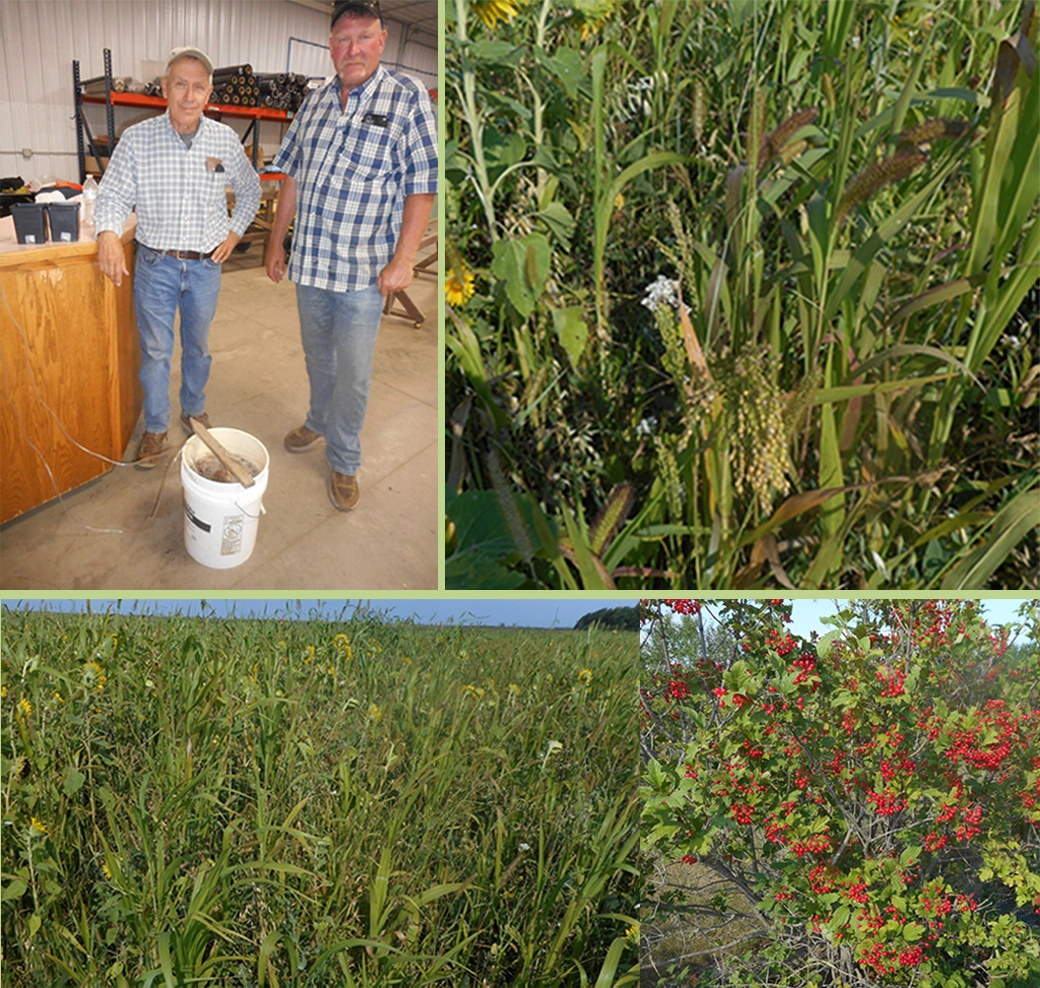
A field trial is in process in Carrington, North Dakota to study the effect of PRESTORATIVE™ on certified organic sorghum crops. The photos show that sorghum cluster heads were well-formed with healthy biology including ladybugs. The plants were dense and appeared to be very healthy despite being grown under drought conditions. Actual data will be compiled after the harvest.
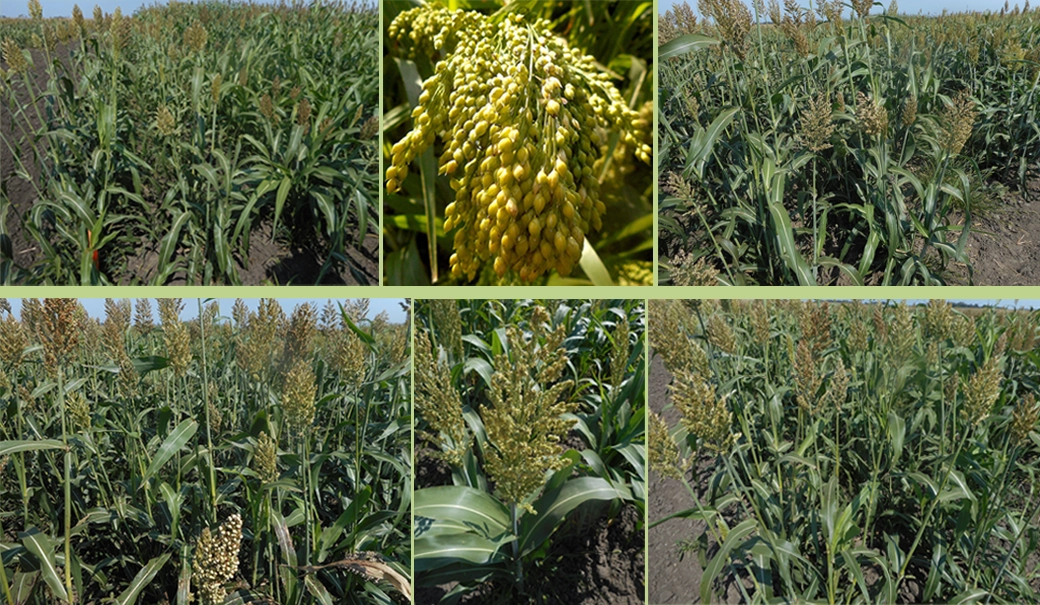
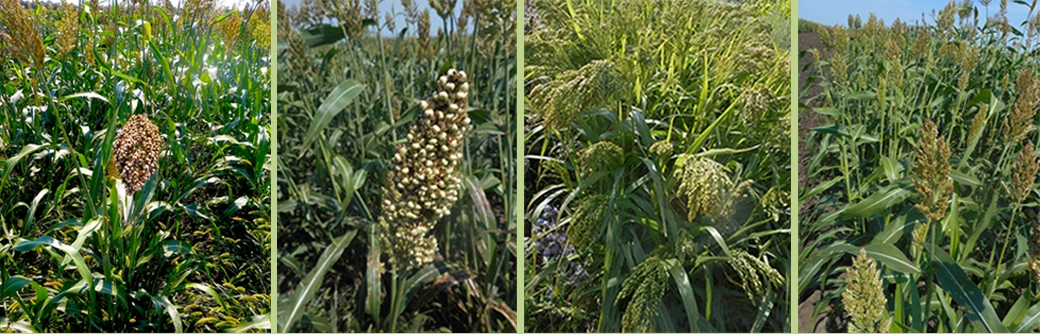
Sorghum (Sorghum bicolor, Poaceae family) is an ancient cereal grain that originated in North Africa about 8,000 years ago. It thrives in hot, dry climates, is drought-tolerant, and requires significantly less water and fertilizer than other crops such as wheat and corn. The flower heads of the Sorghum bicolor plant contains thousands of edible seeds which can be used as whole grain, popped like popcorn, and/or ground into gluten-free flour. It is nutrient-dense containing abundant amounts of complex carbohydrates, protein, iron, magnesium, B vitamins, and the powerful antioxidants phenolics and tannins.
Sorghum bicolor is commonly called Sorghum and is also known as Broomcorn, Great Millet, Milo, Indian Millet, Guinea corn, and Jowar. Other types of Sorghum in addition to Bicolor (Grain Sorghum) are Forage Sorghum, Sweet sorghum, and Biomass sorghum. Forage sorghum is cultivated for use as livestock forage. Sweet sorghum is harvested for the high sugar content in its thick juicy stalks. The juice in the stalks are used to make sweet sorghum syrup, rum, and whiskey. Biomass sorghum is specially grown to produce large amounts of non-vegetative mass which is used as a renewable energy source for certain industries.
Crop Series for Field Trials @ Carrington in 2027
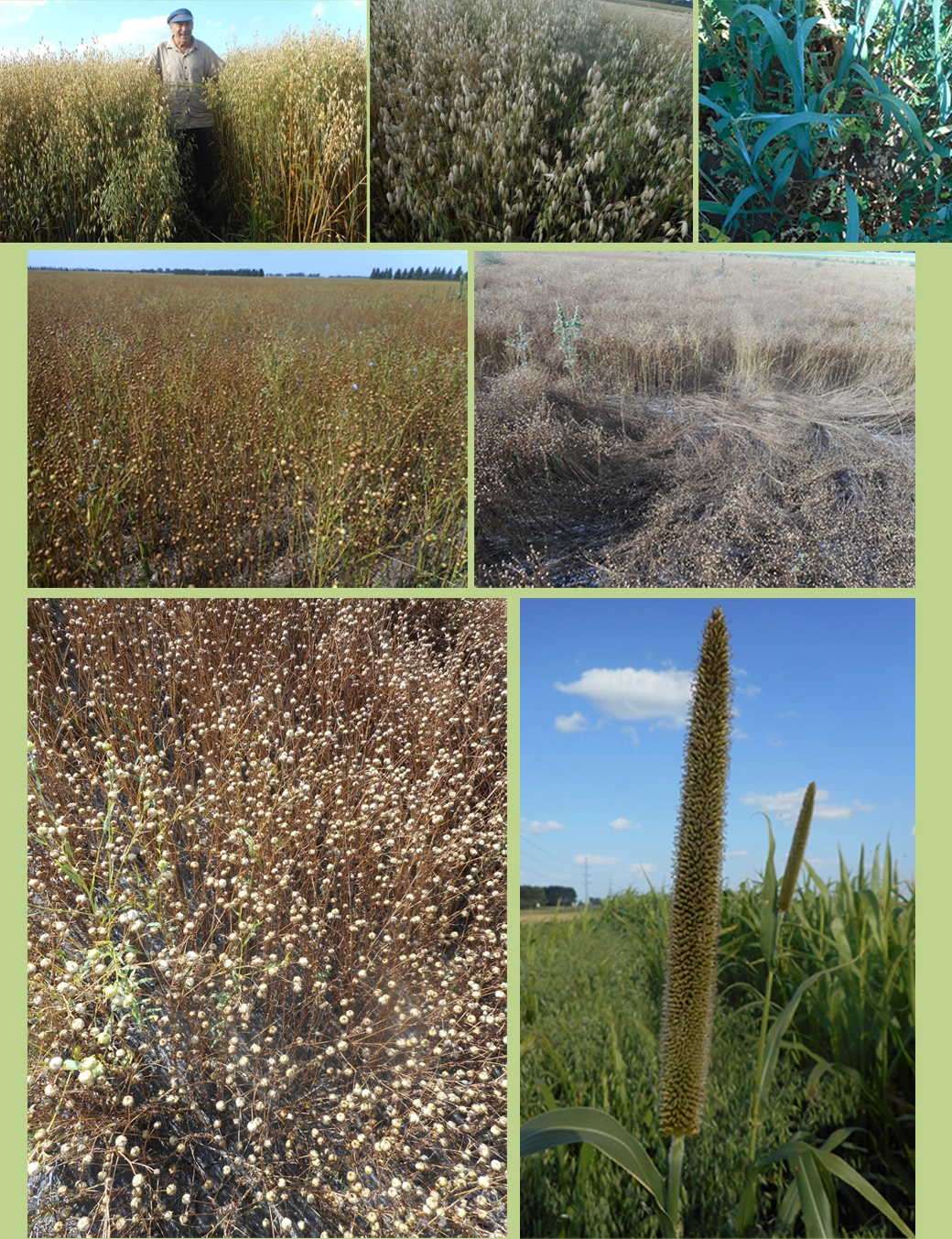
These crops shown above—oats, millet, flax, and chickpea—will be used for field trial tests with PRESTORATIVE™ in the 2027 growing season.
Oats (Avena grass family) have a rich, nutritional analysis; they are 17% protein and contain fiber and carbohydrates. Humans and livestock derive great benefits from eating oats. When grown as a cover crop, oat plants can be plowed into the soil as ‘green manure’.
Flax (Linaceae family) is cultivated for its food and fiber. Flax seeds are a rich source of plant-based Omega-3 fatty acids, fiber, and lignans which support heart and digestive health. Linseed oil is made from flax seeds. Flax is also used to make clothing. Linen is produced from flax. Flax uses less pesticides and water than other crops such as cotton used in textile production, and it doesn’t release microfibers and nanoplastics into the environment as does synthetic fibers such as polyester and nylon.
Chickpea plant (Fabaceae family) is a short, bushy, branching legume nitrogen-fixing crop cultivated for their edible seeds which grow inside short pods. Chickpeas (aka Garbonzo beans) contain high amounts of protein, fiber, folate, iron, phosphorus, and polyunsaturated and monounsaturated fatty acids including oleic and linoleic oils. India produces 75% of the worldwide chickpea crop.
Millet (Sorghum bicolor): Millet is a small seeded grass plant grown worldwide as a staple cereal crop and as feed for livestock. It is a gluten-free grain rich in protein, calcium, niacin, iron, vitamins A and B, and antioxidants. There are several varieties of millet including Pearl, Finger, Foxtail, and Kodo. White millet will be one of the four crops tested with PRESTORATIVE™ in 2027.
Crops/Cover Crops @ Carrington Farm
Cover crops are non-harvested plants that are grown to protect, enrich, and improve the health of the soil between the regular crop growing season. Cover crops can also be used for human, animal, and soil nutrition.
At Carrington ND, the following cover crops were planted on a tilled 1.5 acres plot: Sorghum-Sudan, Turnips, Canola, and a small amount of Lentils. These 4 cover crops all suppress weeds, aerate the soil, improve soil structure and health, and can be used for livestock feed.
After this season’s Sorghum bicolor harvest, the soil that used for the sorghum plants will be planted with the same (listed above) cover crops for the 2027 season.
Sorghum-Sudan (or Sorghum-Sudangrass) is created by crossing forage Sorghum with Sudangrass. It is an extremely vigorous, fast-growing plant that can reach heights of 12 feet. Sorghum-Sudan is used as a cover crop for the massive amounts of biomass it adds to the soil when tilled into it while green (‘green manure’). It helps prevent erosion and is heat and drought-tolerant.
Turnips are fast-growing cool season root crops. They pull deep-soil nutrients (especially nitrogen, calcium, and potassium) upwards and store them in their leaves and bulbs. Turnips produce a natural herbicide, called Glucosinolate, which act as a natural bio-fumigant to help manage certain soil pests and nematodes.
Canola (Oilseed rape or Brassica napus) is a fast-growing nutrient scavenger. It absorbs residual nitrogen and sulfur, preventing the nutrients from leaching away. Canola, like turnips, also produces the natural pest repellent Glucosinolate. It is drought and shade tolerant. Winter varieties of Canola are available if planted in cold zones during the winter season. It is best not to plant Canola alongside other Brassica plants. Canola should be harvested before it goes to seed, otherwise, it can become very invasive.
Lentils are cool-season annual legumes that partner with root nodule bacteria to convert nitrogen into a plant-available form that enriches soil. It is a self-pollinating plant but its flowers attract pollinators. The plant promotes mycorrhizal fungi populations. It can be used as a living mulch to reduce damage from birds and chipmunks. They are not competitive plants and make good companion plants for perennial plants and for use in pastures.
Summary: Rye, Sorghum-Sudan, Wheat, and taller crops can create plentiful nutrients for future use in the soil. The long taproots of these plants drill into the soil and return available nutrients. Legumes provide shade and fix nitrogen which allows the high-growth crops to obtain the required biomass to endow future soil with the raw materials that it needs. Mycorrhizal fungi can find these nutrients and break them down to make them available for plants. The bacterial population in the soil is constantly breaking down the nutrients that are available for plant uptake. In turn, these plants provide carbohydrates and sugars through the photosynthesis process. This system has worked throughout human history.
Other crops grown at the Carrington NDSU Research Center farm as crops to be harvested and/or cover crops are:
Buckwheat
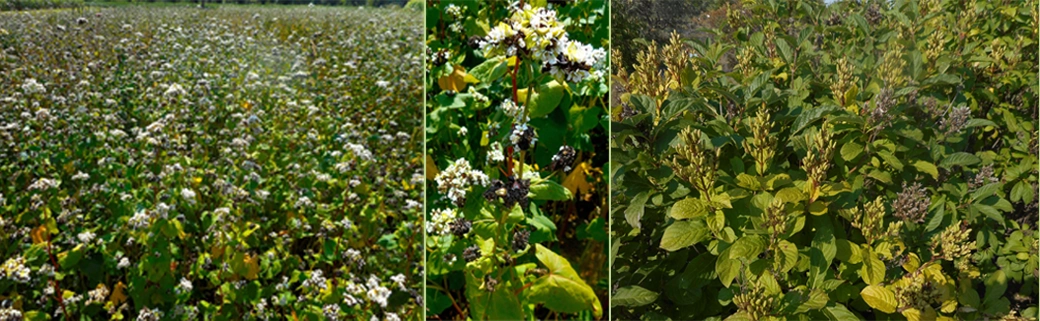
Buckwheat builds soil health, suppresses weeds, retains water, and attracts pollinators. It pulls phosphorus and other minerals from the soil, making the minerals available to future crops as the residue breaks down. After being tilled or mowed into the soil, it breaks down quickly; new crops can be planted in the same soil 3 or 4 weeks later.
Additional Cover Crops
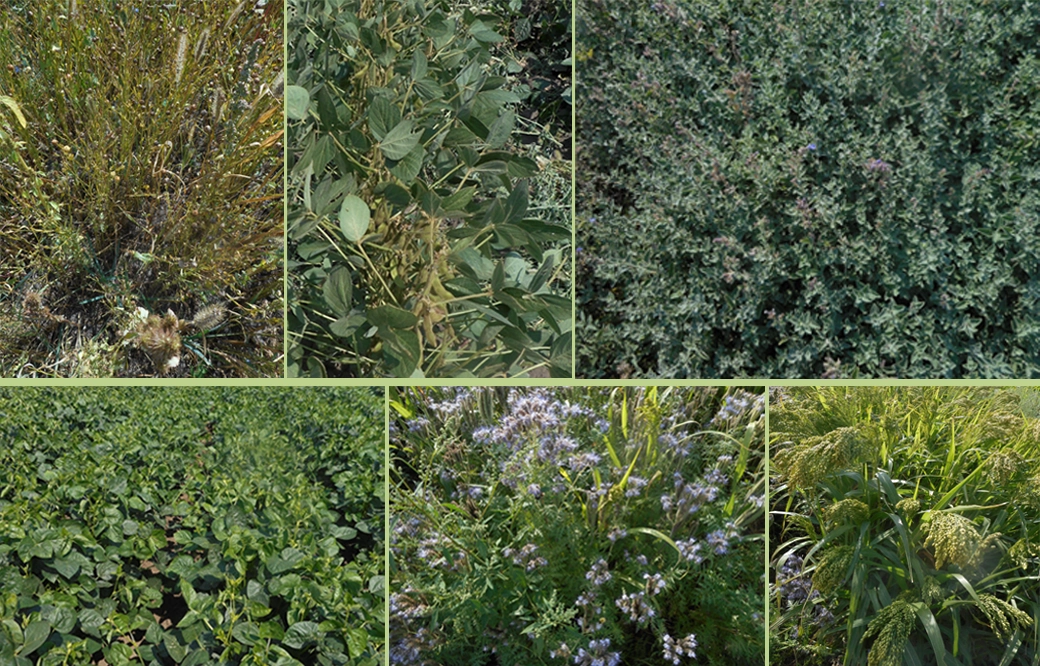
Green Bristlegrass is a hardy annual grass species belonging to the Poaceae family. It is used for ground cover, erosion control, and livestock forage.
Pigeon Pea is a resilient, perennial legume from the family Fabaceae. It is widely cultivated in tropical and subtropical regions for its edible seeds and soil-enriching properties. Pigeon Pea forms a symbiotic relationship with Rhizobium bacteria to fix atmospheric nitrogen, making it exceptional for green manure, mulch, and sustainable intercropping. It is rich in plant-based proteins, fiber, potassium, phosphorus, and folate.
Pennyroyal is a flowering plant species in the Lamiaceae family. It has a strong fragrance and is used as an incesticide and a pest-repellent. Concentrated Pennyroyal oil can be toxic to humans so the less concentrated leaves should be used as a pest-repellent or insecticide.
Cowpea is a fast-growing cover crop and is one of the most ancient crops still in existence. It produces edible, high protein seeds. The plant is also used for animal forage.
Blue Tansy is a low-growing Mediterranean plant used in aromatherapy and skin care products. Its active ingredients help calm irritated, inflamed skin. Blue Tansy and Sorghum are used together as a cover crop blend.
Crops/Cover Crops: Sunflowers, Lupin, Soy, Industrial Hemp, Canola
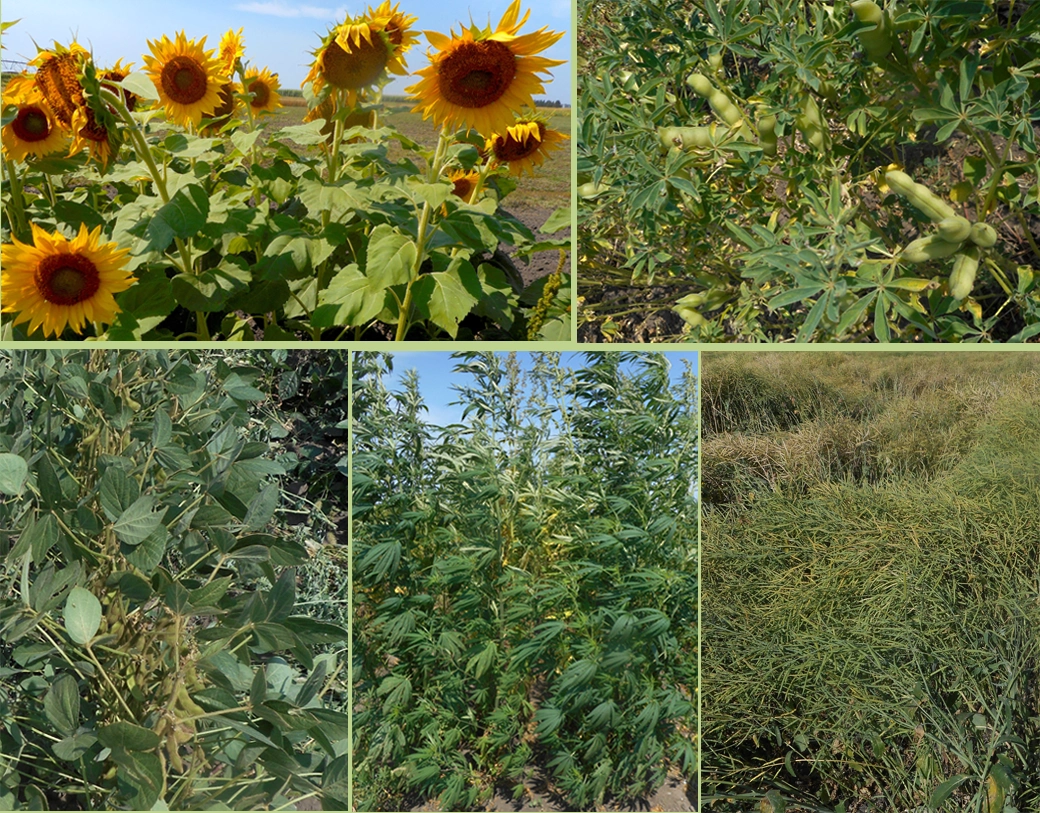
Sunflowers produce seeds for people and birds to enjoy. Their deep taproots break up soil, improve drainage, retain water, and cycle nutrients and water from lower soil levels to the surface. They generate substantial biomass that can be mowed or tilled into the soil as ‘green manure.’ They attract bees and beneficial insects.
Lupin is a legume that holds beneficial bacteria. Its long taproots excavate nutrients and break up compacted, hard soil. It produces an abundant amount of biomass and puts nutrients back into the soil, making them available to plants that may otherwise not have access to them. Studies have shown that sorghum, if grown together with lupin, increases the height, yield and greenness of the sorghum plants. Lupin can be used as a forage crop for livestock.
Industrial hemp has an almost infinite amount of uses. It is valued for its fiber, food, medicinal, and industrial uses. It can be used to make various building materials, paper, cosmetics, and as a substitute for plastics. Hemp plants help prevent soil erosion, store carbon, need no pesticides, reduce soil toxins, help prevent erosion, and reduce carbon emissions.
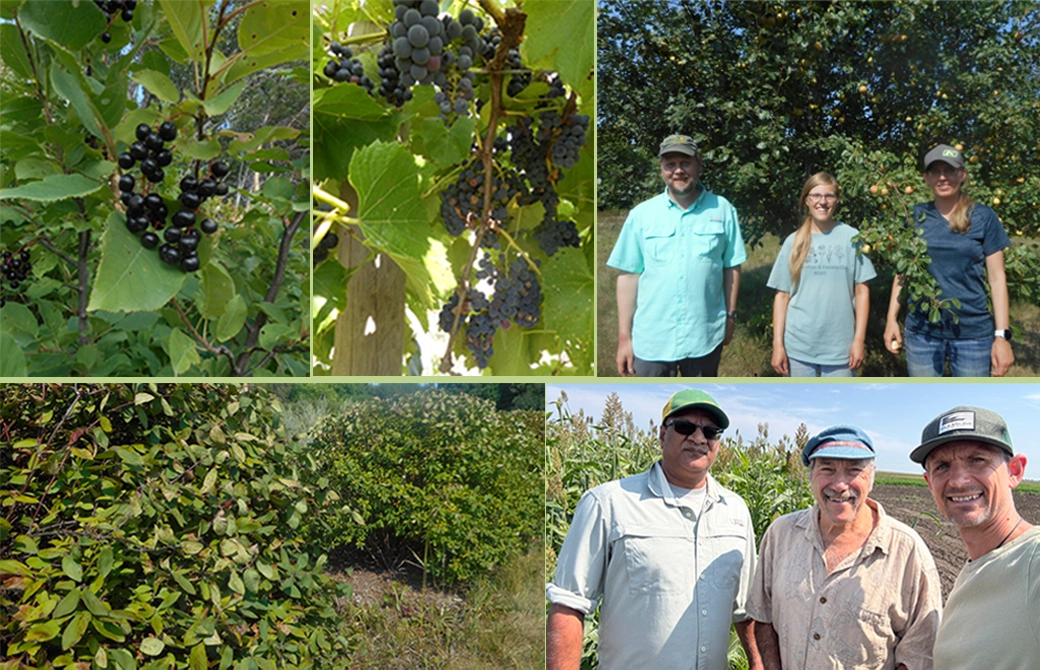
Carrington Staff and Orchards
Menoken Farm
Advancing Soil Health Through Innovation & Education
Menoken Farm is in Burleigh county North Dakota and is a soil conservation district established in 2009. The farm uses a systemic approach to conservation and provides natural resource education. Jay and Darrell (in photo) host “Field Days“ with the goal of educating groups of 40—60 people on soil conditions, moisture retention, plant biology, and the benefits of deep root development and rich, healthy soil.
Menoken Farm grows a veritable food forest including collard greens, sunflowers, oats, rye, millet (2 types), alfalfa, radishes, legumes, flax, chickpea, buckwheat, vetch, turnips, sorghum, wheat, lentils, and winter peas. Some of these crops are also used as cover crops.
Broadleaf nitrogen fixer plants such as pinto and other beans, lentils, clover, soy, peas, and buckwheat are restorative, fix nitrogen, and break up compacted soil. They also form a blanket to keep certain weeds at bay, often helping taller plants such as rye, wheat, corn, and sorghum to gain a good biological start. They can be utilized quickly for livestock feed.
The more deeply-rooted crops—radishes, turnips, and alfalfa— build aggregates to improve infiltration and increase aeration. These crops can open channels to support earthworm and organism infiltration into the porous spaces created. This allows for deeper root penetration which forms a “home” within the soil structure.
The 5 principles of soil building are soil armor, minimal soil disturbance, plant diversity, continual live plant/root, and livestock integration. These 5 principles are explained in the Menoken Farm booklet entitled Soil Health Principles.
Arboreum at Menoken Farm
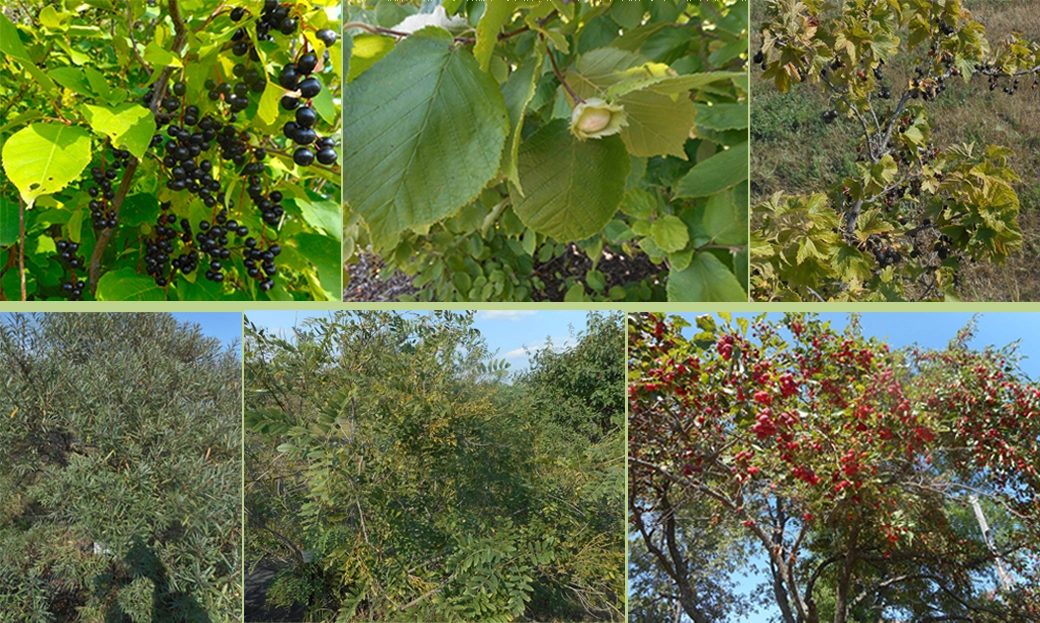
Aronia is a nutrient-dense fruit that contains significantly more antioxidants and polyphenols than blueberries. It is native to eastern North America and can be grown in Zones 3–9. It is found in juices, jams, and baked goods. It has a sharp, astringent taste and should not eaten raw.
The Hazelnut (aka Filbert) is a nutrient-dense fruit from the Hazel tree. It is used as a snack, in baked goods, desserts, and breakfast cereals. Hazelnuts are grown throughout Oregon and are the state nut.
The Black currant bush is a hardy plant that produces small, dark berries with a sharp, tart taste. These berries are among the best for overall human health; they are high in vitamins and antioxidants. They can be eaten fresh or used in wines, ice-cream, syrups, and juices. Black currant bushes prefer rich, well-drained soil and can produce well in partial shade.
Sea-Buckhorn is a spiny, deciduous shrub that produces bright yellow and orange nutrient-dense edible fruit. It tolerates extremely cold temperatures, wind, and coastal salt. Its berries are commonly processed into jams, teas, syrups, and juices and are used in cosmetics due to their antioxidant and anti-inflammatory properties. The Sea-Buckhorn bush can reach heights of 8–15 feet.
The leaves and pods of several species of the Senna plant contain active compounds that act as laxatives to stimulate bowel movements and relieve constipation. They provide high-protein pollen for bumblebees and are host plants for Sulphur butterflies.
This photo of a Crabapple tree was taken in Cooperstown, North Dakota, about 200 miles away from the Arboreum. Crabapple trees blossom in the spring and provide fruit in the fall. They are an excellent source of pectin and are often used as ornamental trees.
North Dakota Wheat & Bales
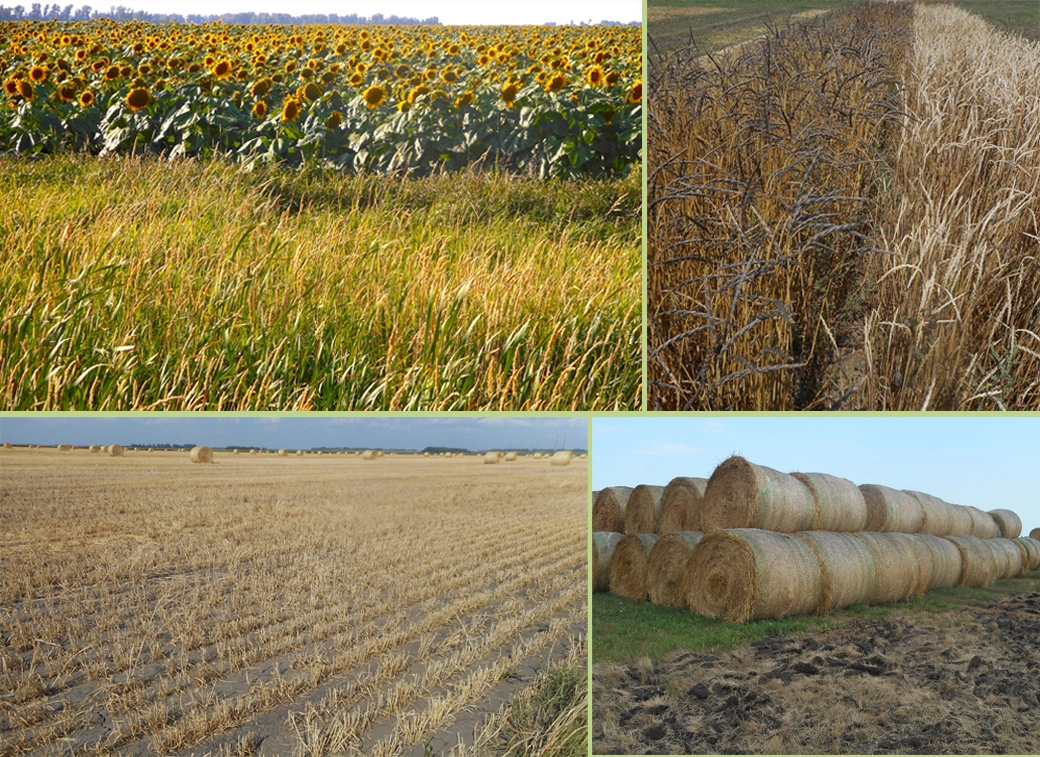
All cover crops must be dried well.