Iowa Prairies, Gardens, & Crops
In August 2026, Pacific Plant Nutrient staff members traveled to the Midwest and Northwest US states to visit Resource Conservation Districts (which are in every county), farms, and organizations (public and private) that practice regenerative and sustainable agriculture. They checked on current projects and discussed future projects in addition to setting up partnerships. They learned about planting methods, crops/cover crops grown, and the best regenerative and innovative agricultural practices used in those states. They also talked about problems encountered and possible solutions.
Prairie Crops
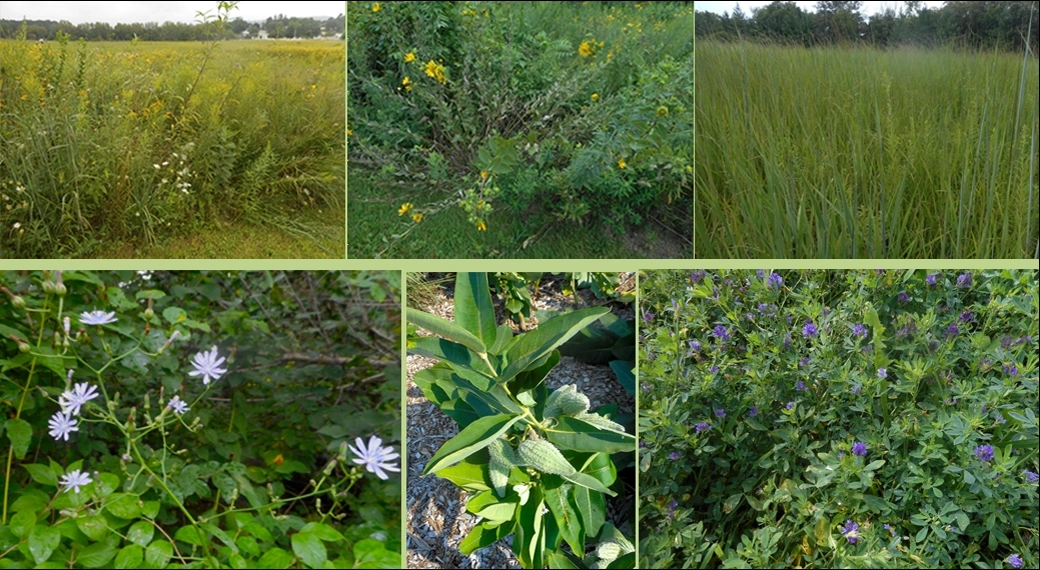
Prairies are important for aggregating biology. They accumulate rich nutrients which hold in the soil for grazing animals. They were key to the existence of the American buffalo. Chicory, milkweed, and clover are some of the plants that are prominent in prairie land.
Chicory is nutrient-rich and has antioxidant properties. It contains Inulin, a prebiotic that nourishes gut bacteria and enhances digestion. Milkweed plays an important role as the sole food source for the monarch butterfly. It provides rich nectar for butterflies, bees, and beneficial insects. Clover provides nutrients for larger plants and their flowers are very attractive to bees. Clover can be used for livestock feed.
Commodity Crops
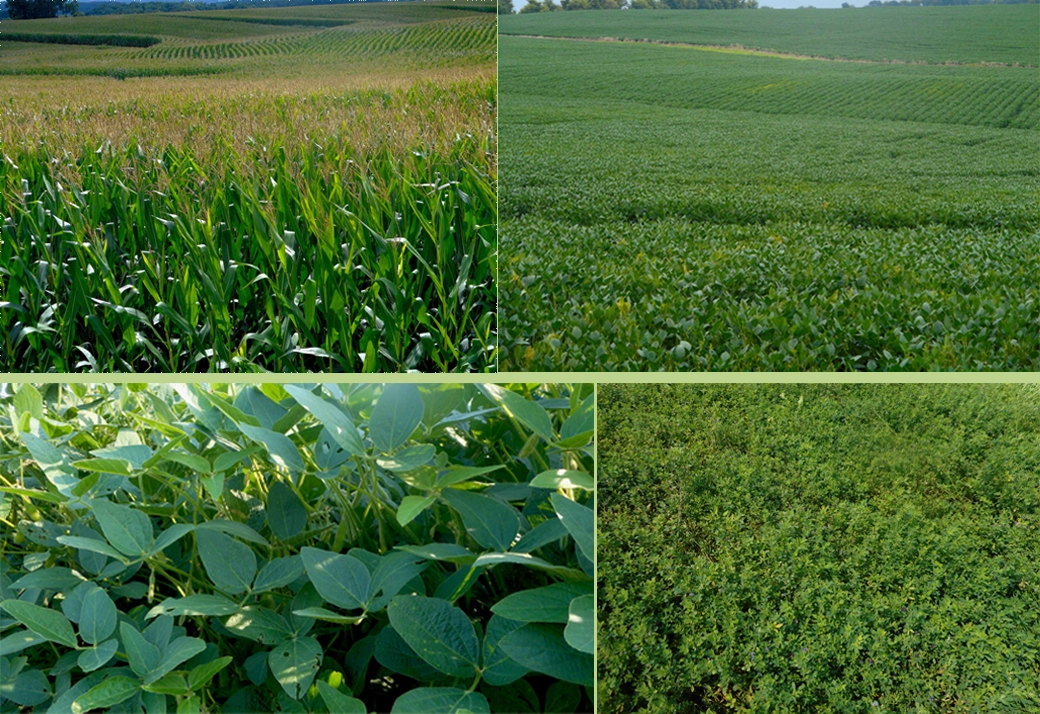
These photos give a feel of Iowa. Corn and Soybeans are grown on many farms in Iowa; they are the largest commodity crops in the United States. They feed humans and animals and are utilized in every way imaginable. Alfalfa is a temperate legume used for grazing, hay, and for green crop silage. It feeds soil bacteria and helps reduce soil erosion. Mustard greens are nutritional green vegetables which are also used as cover crops throughout the world.
Iowa Cover Crops
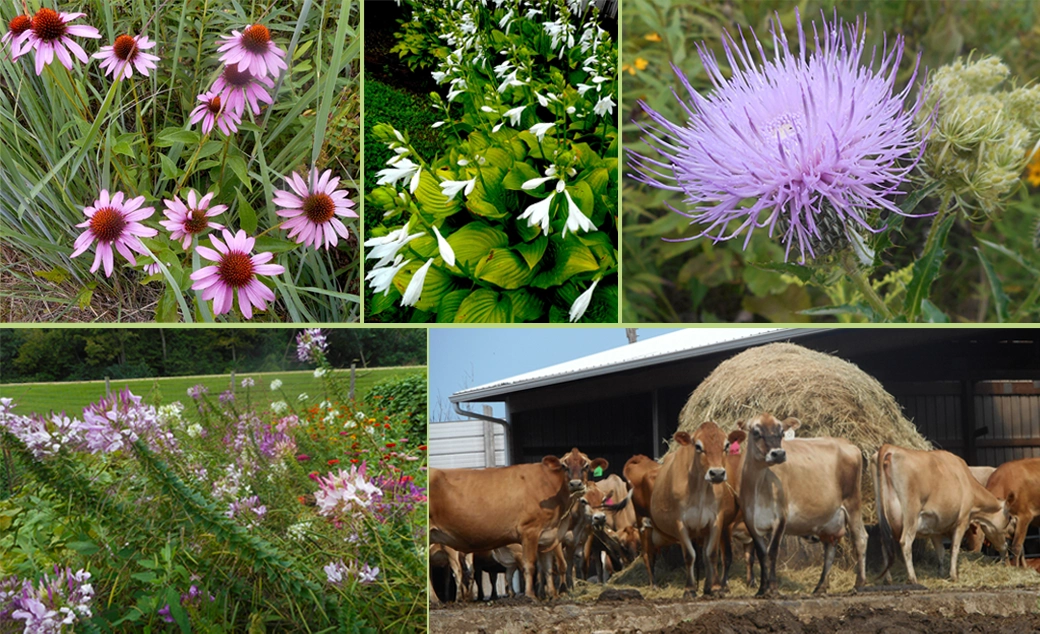
Cover crops can be utilized for feeding cows which saves money and resources as it varies their diet. Properly dried hay helps economize during lean winter months.
Echinacea is a very valuable medicinal herb with Immune system benefits. This beautiful plant is found on open roads, prairies, fields, and in home gardens. Hostas, commonly known as ‘plantain lilies’, grows all over Iowa. The Hosta plant is edible and is a joy to behold. Milk Thistle provides nutritional benefits as it pulls up nutrients from the subsurface areas of the soil. These plants have many insect pollinators. Wildflowers provide a riot of colors and attract pollinators in the fields.
Botanical Gardens
Beautiful Possibilities, Des Moines, Iowa
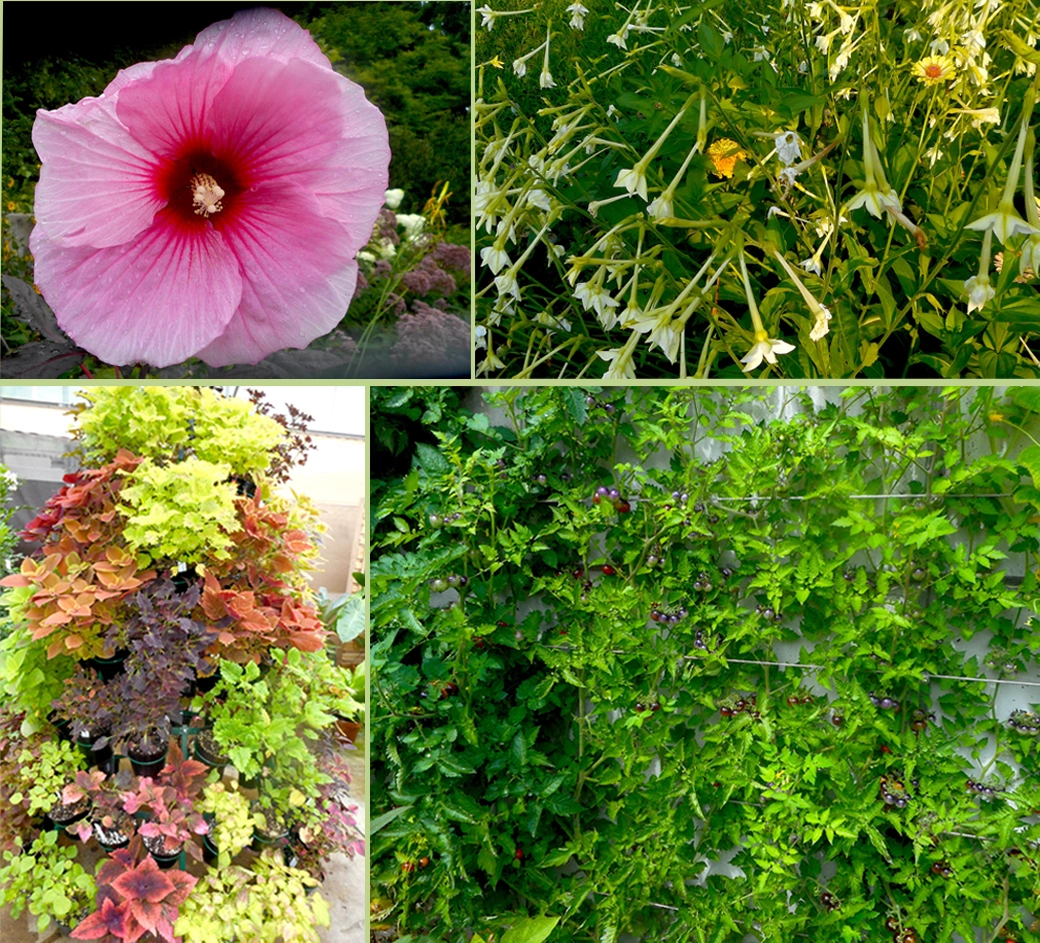
Hibiscus is a popular “cooling” beverage and is often made into tea. Tobacco is in the nightshade family and is commonly smoked or used in rituals through out the world. Coleus is in the mint family. Its leaves can display dazzling colors. Purple cherry tomatoes are rich in nutrients and are in the Nightshade family. Tomatoes are one of the most popular foods to grow and eat worldwide.
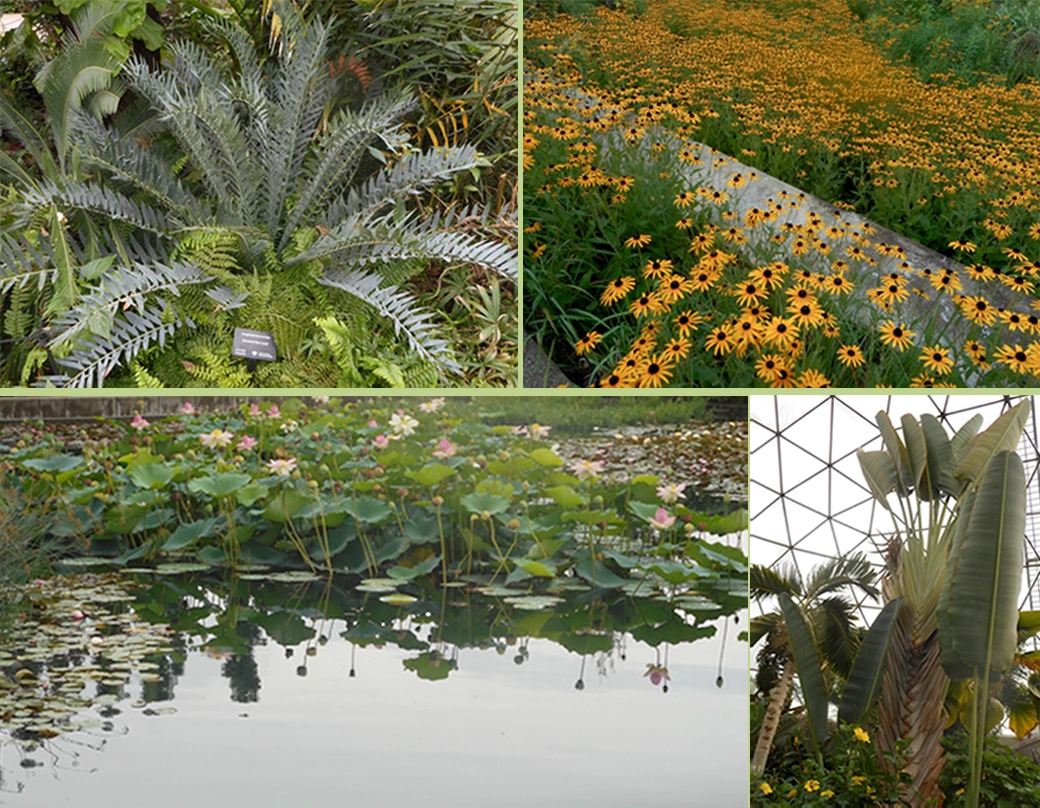
Cycads are slow-growing seed-bearing plants that have existed for almost 300 million years. Black-eyed Susans are wildflowers in the Aster family. They attract pollinators in the summer through autumn. Lotus, often called Water Lilies, rise from the mud and are an iconic symbol of Asia. Their seeds have culinary and medicinal value. Traveler’s Palm can be grown indoor or outdoors. They tolerate a wide range of soil.